NDIS Registered Provider Australia – Pacific Home Care

NDIS Hospital Discharge Program
- Home
- NDIS Hospital Discharge Program
NDIS Support — Hospital Discharge & Transition
Mental Health Hospital Discharge & Transitional Program
Pacific Home Care Solutions delivers NDIS Hospital Discharge program across Victoria and Tasmania covering major cities and surrounding suburbs.
We support participants living with psychosocial, intellectual, physical, autism, and complex support needs through flexible and person-centred care.
Transitioning from hospital back into the community can be overwhelming — particularly when participants are clinically ready for discharge but do not yet have appropriate supports, accommodation, or NDIS funding in place.
Pacific Home Care Solutions works alongside mental health clinicians, psychiatrists, hospitals, social workers, and other referral partners to help create safe and structured discharge pathways for individuals living with psychosocial disabilities and complex mental health needs.
In certain circumstances, and subject to internal assessment, PHCS may be able to provide temporary accommodation within our supported properties alongside daily living and psychosocial supports while participants await NDIS access decisions, plan approvals, SIL funding, or longer-term housing outcomes.
These arrangements are strictly transitional, individually assessed, and conditional upon anticipated funding pathways and participant suitability. Ongoing supports are dependent on formal approval of appropriate funding and service arrangements.
Our team can assist with:
- Transitional psychosocial supports
- Supported accommodation pathways
- Community access and daily living support
- Medication prompting and wellbeing monitoring
- Collaboration with treating teams and community services
- Support coordination and referral pathways
- Transition planning into long-term supports and housing options
We understand the challenges clinicians and hospitals face when safe discharge options are limited. Our goal is to work collaboratively with referral partners to support safer, more sustainable community transitions wherever possible.
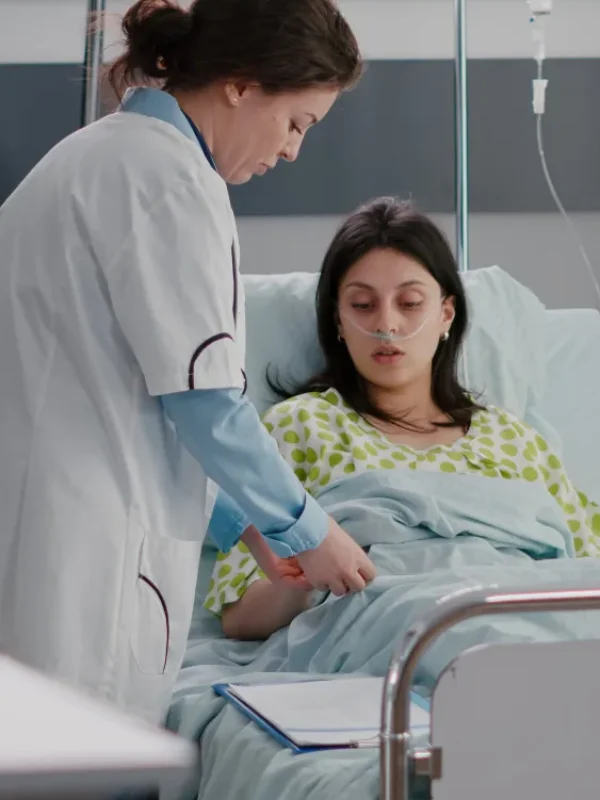
1–3
Weeks to facilitate discharge
For medically ready NDIS participants, Pacific Home Care Solutions can typically coordinate and facilitate a safe hospital discharge within 1–3 weeks from initial referral to your first day home with full support in place.
The Challenge
When Clinical Readiness Outpaces Available Community Pathways
Transitioning from hospital back into the community can be overwhelming — particularly when participants are clinically ready for discharge but do not yet have appropriate supports, accommodation, or NDIS funding in place.
Many individuals remain in hospital longer than clinically required due to limited community supports, unavailable accommodation pathways, or pending NDIS access and funding decisions.
Pacific Home Care Solutions works alongside mental health clinicians, psychiatrists, hospitals, social workers, and allied health teams to support safer and more sustainable transitions back into the community.
Delayed discharges
Medically ready participants staying in hospital longer than needed because care supports are not yet in place costly for the health system, stressful for you
Clinician collaboration
Critical health information lost in the handover between hospital staff, NDIS providers, GPs, and allied health creating dangerous gaps in your post-discharge care
Lack of accommodation pathways
Returning to a home that lacks the right equipment, modifications, or safety features creating risk and unnecessary complications from day one
Funding pending
NDIS funding not activated or supports not arranged in time — leaving participants without critical care on the very day they need it most
Psychosocial disability
People with psychosocial disability need support after hospital discharge to rebuild daily routines and community participation.
Key Service Information
Interim & Conditional Support Arrangements
In certain circumstances, and subject to assessment, PHCS may be able to provide temporary accommodation within our supported properties alongside daily living and psychosocial supports while participants await NDIS access decisions, plan approvals, SIL funding, or longer-term housing outcomes.
These arrangements are strictly transitional, individually assessed, and conditional upon anticipated funding pathways and participant suitability. Ongoing supports are dependent on formal approval of appropriate funding and service arrangements.
- Arrangements are assessed on a case-by-case basis — participant suitability, risk profile, and anticipated funding outcomes are all considered
- Support may be available to participants who do not yet have approved NDIS funding, where there is a clear and anticipated pathway to formal funding outcomes
- A clinical risk review and participant assessment is completed prior to any interim arrangement commencing
- All interim arrangements have defined timelines and planned transition pathways toward longer-term, funded support outcomes
Enquire About Interim Arrangements
To discuss whether an interim arrangement may be available for a specific participant, please contact our intake team directly — we assess all enquiries individually.
How Interim Support is Determined
1
Referral & Initial Assessment
Clinical background, discharge timeline, current living situation, and anticipated NDIS pathway reviewed
2
Risk & Suitability Review
Clinical risk assessment, participant suitability, and property/support appropriateness evaluated
3
Funding Pathway Confirmation
Anticipated funding outcomes identified — NDIS access, plan approval, SIL quote, or other pathway
4
Interim Plan & Transition Timeline
A clear, documented interim support plan and transition timeline developed with the participant and referral partner
Important: Conditional Nature of Arrangements
Transitional accommodation and interim supports are subject to assessment, participant suitability, risk review, availability, and anticipated funding pathways. Ongoing supports cannot be guaranteed without approved and sustainable funding arrangements. All interim arrangements are individually assessed and subject to change based on funding outcomes and participant circumstances.
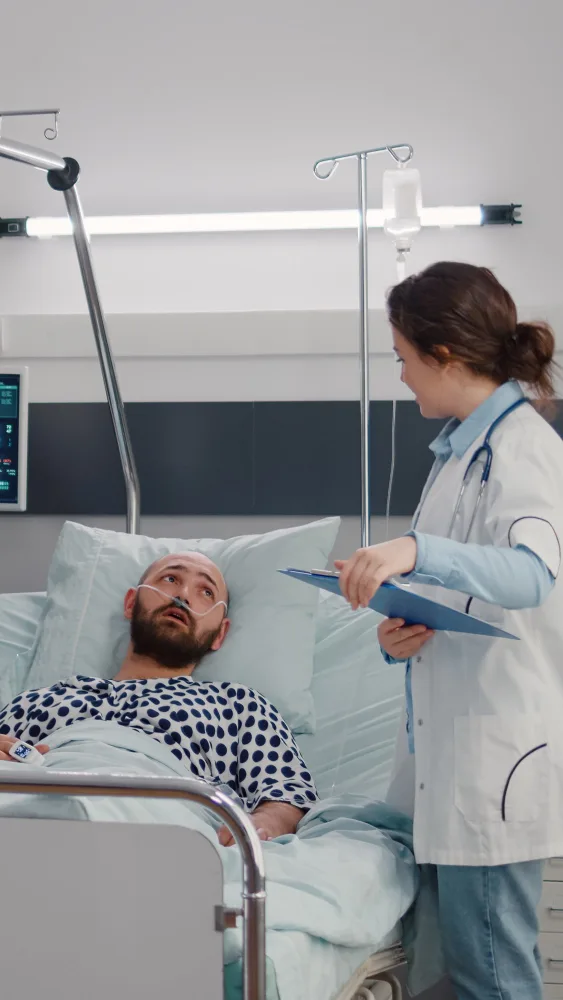
Accessible transport on discharge day
Accessible vehicle arranged for your discharge day no logistics for your family to organise
Personalised care plan before you leave
Your full care plan is developed and your support team briefed before discharge day not after
No-obligation initial consultation
We offer a free, no-obligation consultation before you commit to our discharge services
Fast turnaround — 1 to 3 weeks
Typically facilitating discharge within 1–3 weeks for medically ready NDIS participants
Our Process
Our 5-Step Hospital Discharge Process
We follow a thorough, structured process to make sure nothing is missed and your transition from hospital to home goes smoothly for you and your family.
Referral intake and needs assessment
When we receive a referral from a hospital social worker, support coordinator, family member, or NDIA liaison our team immediately assesses the request and completes a thorough risk assessment. We review medical reports, behavioural considerations, and any restrictive practices to understand your specific situation fully before recommending a discharge pathway.
Home readiness evaluation and support matching
We visit your home (or your proposed accommodation) to assess whether it is safe, accessible, and equipped for your return. We identify what modifications, equipment, or additional resources are needed and arrange them before your discharge date. At the same time, we identify the right support workers and care team based on your specific needs and cultural preferences.
Discharge planning meeting and personalised care plan
We participate in a discharge planning meeting with the hospital, your treating team, and relevant NDIS stakeholders. Together we develop a tailored, detailed care plan covering every aspect of your transition medication management, personal care routines, therapy appointments, community access, emergency protocols, and your longer-term recovery goals. Nothing is generic everything is specific to you.
Accessible transport and immediate care delivery
On your discharge day, our team ensures everything is ready accessible transport from the hospital to your home, your support workers briefed and trained on your care plan, and any necessary equipment already in place. Your first moments at home are supported, not stressful. Care begins immediately on arrival.
Ongoing support, review, and NDIS coordination
After discharge, our team provides consistent, ongoing care aligned with your NDIS plan with regular check-ins, proactive health monitoring by our registered nurses, and close communication with your GP and specialist team. We handle all NDIS documentation and compliance, and review your care plan regularly as your recovery progresses.
What We Provide
Transitional Support Pathways
Structured, clinically-informed supports designed for the transition period — bridging the gap between inpatient discharge and sustainable long-term community living.
Temporary Supported Accommodation
Where available and assessed as appropriate, transitional accommodation within PHCS supported properties as a bridge toward longer-term housing outcomes. Subject to assessment, availability, and funding pathway review.
Psychosocial Recovery Support
Structured psychosocial support delivered by trained, recovery-oriented workers — focused on rebuilding stability, daily functioning, and community connections post-discharge.
Daily Living Assistance
Practical assistance with personal care, meal preparation, household management, and the daily activities that can become challenging during the early post-discharge period.
Medication Prompting & Wellbeing Monitoring
Consistent medication prompting and wellbeing monitoring during the transitional period — with clear escalation protocols and proactive communication with treating teams.
Community Reintegration
Structured support for re-engaging with community life — social connections, recreational activities, and community participation to reduce isolation and build recovery momentum.
Appointment Support & Structured Routines
Attendance and transport support for clinical appointments, community mental health reviews, and allied health — alongside structured daily routines to support recovery and stability.
Collaboration with Treating Teams
Active, ongoing liaison with psychiatrists, community mental health teams, GPs, and allied health — ensuring continuity of clinical care and consistent communication throughout the transition.
Support Coordination & Referral Pathways
Assistance navigating NDIS access, plan activation, and referral pathways — coordinating with LACs, support coordinators, and the NDIA to progress funding and service arrangements.
Transition Planning into Long-Term Supports
Active transition planning toward long-term support and housing options — SIL, ILO, or SDA pathways — with clear milestones and collaborative planning with the participant and their network.
Referral pathways
Suitable Referral Pathways May Include
Our psychosocial transitional discharge service is designed for referral pathways involving complex mental health presentations, accommodation instability, and participants navigating NDIS access or plan approval processes.
- Psychosocial disability
- Schizoaffective disorder
- Bipolar disorder
- Borderline personality disorder
- Schizophrenia spectrum disorders
- Housing instability or homelessness risk
- Complex PTSD
- Hospital discharge delays
- NDIS access under assessment
- Dual diagnosis presentations
- Participants awaiting SIL funding
“This is a genuine gap in the current service landscape — particularly in Tasmania and metropolitan Melbourne. Very few NDIS providers are positioned to respond to complex psychosocial discharge situations where funding is pending or accommodation options are limited.”
This Service Is Particularly Relevant For
- Participants stuck in hospital beyond clinical necessity due to lack of appropriate community accommodation
- Individuals with no active NDIS plan, or where NDIS access is pending and discharge is imminent
- Participants where SIL is the anticipated long-term pathway but placement is not yet available or funded
- Acute or sub-acute discharge from forensic mental health settings requiring structured community transition
- Individuals at risk of homelessness upon discharge with complex psychosocial support needs
- Participants requiring structured supports post-discharge where informal networks are limited or absent
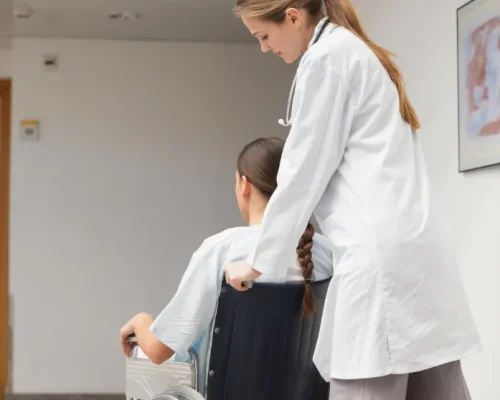
Why Pacific Home care Solution
Why Choose Pacific Home Care Solutions for Your NDIS Hospital Discharge?
Hospital discharge is a high-stakes transition. You need a provider who responds fast, coordinates thoroughly, and has the right people and processes to support you safely from day one at home.
01
We respond within 24 hours — always
When a hospital social worker or support coordinator contacts us about a discharge, we acknowledge the referral within 24 hours and begin the assessment process immediately. We understand that every day a medically ready participant spends in hospital unnecessarily is a day away from their home, their community, and their recovery.
02
A complete discharge solution
Most NDIS providers offer either support coordination OR direct care OR community nursing. We provide all three, which means your hospital discharge can be coordinated, planned, clinically managed, and staffed by a single, integrated Pacific Home Care Solutions team. No gaps between services. No communication failures between providers.
03
Care protocols before day one
For every complex care participant, we develop and document a full care protocol in collaboration with the hospital team and every support worker is trained in that protocol before the discharge date. Nothing is improvised on the day. By the time you arrive home, your support team already knows exactly what to do.
04
Culturally safe across our service areas's communities
A hospital discharge is a vulnerable and significant moment, and it must be handled with cultural sensitivity. Our diverse, multilingual team ensures your family's involvement, your cultural health practices, and your communication preferences are respected and reflected in your discharge plan and ongoing care from the very first day.
For Health Professionals
Working Alongside Clinical & Community Teams
Pacific Home Care Solutions works collaboratively with the full spectrum of clinical and community teams involved in mental health discharge planning — from acute inpatient settings to community-based services and forensic pathways.
We understand clinical workflows, discharge planning processes, and the documentation requirements of hospital teams. Our referral process is structured to be efficient, responsive, and clinically appropriate — so that clinicians can refer with confidence.
- Psychiatrists
- Discharge planners
- Hospital social workers
- Forensic mental health services
- Community mental health teams
- Allied health professionals
- Support coordinators
- NDIA planners
- Local Area Coordinators (LACs)
- Housing & homelessness services
- Drug & alcohol services
- Family members & carers
Referral Information for clinicians
- Intake Phone +61 0469 810 127
- Alternative +61 0450 341 737
- Referral Email info@pacifichomecare.com.au
Useful information to include in a referral:
- Participant diagnosis and clinical background
- Current NDIS status (active plan, access pending, not applied)
- Anticipated or current discharge date
- Current living situation and housing risk
- Key risks and current clinical management
- Referring clinician's contact details
Response time
We acknowledge all referrals within 24 business hours and will contact the referring clinician to discuss the participant’s situation before any assessment proceeds.
We acknowledge all referrals within 24 business hours and will contact the referring clinician to discuss the participant’s situation before any assessment proceeds.
Frequently Asked Questions
NDIS Hospital Discharge Your Questions Answered
Questions about NDIS hospital discharge program? Here are the most common ones from participants, families, and health professionals.
For medically ready NDIS participants, we can typically facilitate a safe hospital discharge within 1–3 weeks from initial referral. The actual timeline depends on the complexity of your care needs, how quickly the home readiness assessment can be completed, and how promptly NDIS funding can be confirmed and activated. Our team works as efficiently as possible to minimise time in hospital.
Yes. We can support participants transitioning directly from a hospital into a Supported Independent Living (SIL) arrangement whether that is into an existing Pacific Home Care Solutions SIL house or into a newly arranged SIL option. We coordinate the SIL assessment, home readiness, and care protocol development as part of the discharge process.
Our pre-discharge home readiness assessment will identify any modifications or equipment needed before you return home. We work with your occupational therapist and the NDIS to arrange home modifications, assistive technology, and specialised equipment aiming to have everything in place before your discharge date so you can return home safely on the day.
We assign a dedicated discharge coordinator to your case who serves as the single point of contact between your hospital team, your family, and our service delivery team. They attend discharge planning meetings, communicate proactively with your social worker and medical team, and ensure critical health information is accurately transferred so nothing is lost in the handover.
Yes. We support NDIS participants being discharged from mental health wards and psychiatric facilities, as well as those with complex psychosocial disabilities. Our mental health support workers are trauma-informed and experienced in supporting participants through the often vulnerable period following a mental health hospitalisation. Please contact our team to discuss your specific situation.
A clinical risk review is completed as part of the initial assessment process. We maintain close communication with the participant's treating team throughout the transitional period, and our support workers are trained in risk escalation protocols specific to psychosocial presentations. We do not operate clinical services independently — we work in collaboration with the participant's clinical team at all times.
Transitional arrangements are intended as a short-to-medium-term bridge — typically aligned with the expected timeframe for funding decisions or longer-term placement outcomes. All interim arrangements include a documented transition timeline and planned exit pathway. Duration is determined by the individual funding and accommodation pathway, and is reviewed regularly throughout the arrangement.
Make a Referral
Discuss a Discharge Pathway with Our Team
Whether you are a discharge planner, social worker, psychiatrist, or support coordinator — contact our intake team to discuss whether a psychosocial transitional discharge pathway may be available for your participant.
- 24-hour referral acknowledgement for all clinical referrals
- Individual assessment — no blanket commitments made before review
- Collaborative approach with the participant's treating and clinical team
- Hobart, Tasmania and metropolitan Melbourne service regions
Intake & Referral Details
- Phone +61 0469 810 127
- Alternative +61 0450 341 737
- Referral Email info@pacifichomecare.com.au
- Intake HoursMon – Sun: 8:00am – 5:00pm
Note: All referrals are assessed individually. Submission of a referral does not constitute acceptance of a service arrangement. Our intake team will contact the referring party to discuss the participant’s situation prior to any assessment proceeding.
Area We Serve
- After Hospital Care Werribee
- After Hospital Care Tarneit
- After Hospital Care Cranbourne
- After Hospital Care Dandenong
- After Hospital Care Reservoir
- After Hospital Care Sunbury
- After Hospital Care Frankston
- After Hospital Care Point cook
- After Hospital Care Springvale
- After Hospital Care Melbourne
- After Hospital Care Boxhill
- After Hospital Care Camberwell
- After Hospital Care Burwood
- After Hospital Care Richmond
- After Hospital Care Footscary
- After Hospital Care Chandstone
- After Hospital Care Clayton
- After Hospital Care Melton
- After Hospital Care Cragieburn
- After Hospital Care Pakenham
- After Hospital Care Howrah
- After Hospital Care Glenorchy
- After Hospital Care Brighton
- After Hospital Care Rokeby
- After Hospital Care Clarendon vale
- After Hospital Care Sandy bay
- After Hospital Care Hobart
- After Hospital Care Claremont
- After Hospital Care Kingston
- After Hospital Care Sorell
- After Hospital Care Moonah
- After Hospital Care Lindisfarne
- After Hospital Care Geliston bay
- After Hospital Care Newnham
- After Hospital Care Ravenswood
- After Hospital Care Mowbray
- After Hospital Care Invermay
- After Hospital Care Rocherlea
- After Hospital Care Youngtown
- After Hospital Care Kings meadows