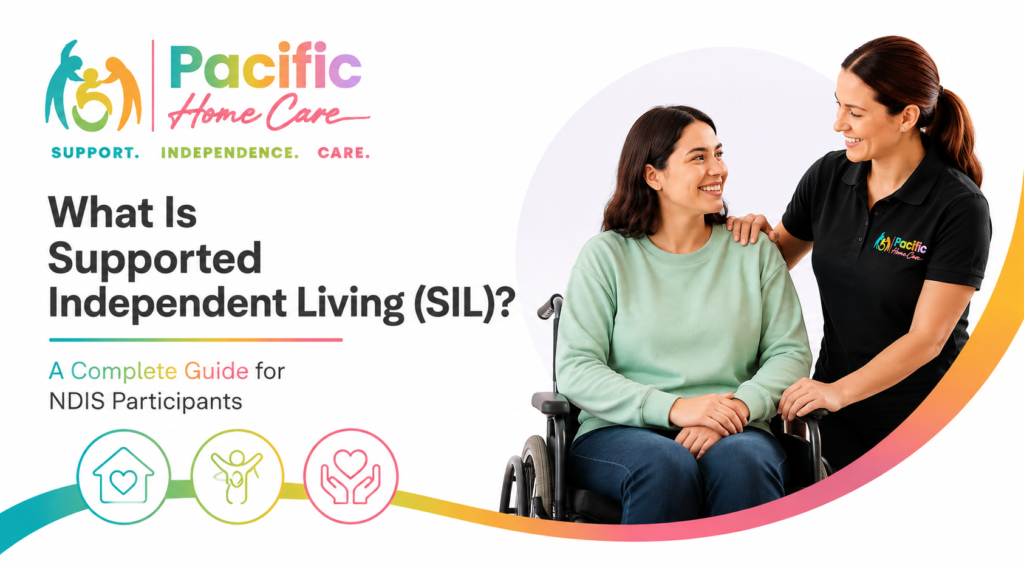
Are you wondering what Supported Independent Living (SIL) actually means for you? Do you want to know if you qualify for this type of NDIS support? Need clear answers about how SIL funding works in real life? This guide breaks down everything you need to know about SIL support.
What Is Supported Independent Living (SIL)?
Supported Independent Living is a specific type of NDIS disability support funding. It provides money for support workers to help you 24 hours a day, 7 days a week. You may share a support worker with housemates or have your own dedicated worker. The goal is to help you live as independently as possible within your home.
How SIL Works in Practice
Supported independent living in Melbourne operates through registered support providers who employ trained workers. Support workers come to your home and provide assistance with daily tasks that are difficult for you. The amount of support depends on your individual needs assessment. Your NDIS plan allocates specific funding hours for SIL services.
Important: SIL Covers Support, Not Housing
One critical point: SIL funding pays for support worker services only, not rent or accommodation costs. Housing expenses and groceries are funded separately under NDIS through different support options. You need other funding sources or personal income for accommodation payments. SIL focuses exclusively on personal care and household task assistance.
Major Changes Happening in 2026
From July 1, 2026, significant updates to SIL occurred for all providers. All SIL providers must now register with the NDIS Commission to legally operate. The new claim code 0138 replaced the previous code 0115 completely. Providers had until October 1, 2026 to apply for registration or stop providing services.
The good news: Your NDIS plan and funding amounts remain exactly the same. These changes improve safety and accountability for participants. Only the provider requirements and billing systems changed.
Who Is Eligible for Supported Independent Living?
Not everyone with NDIS funding automatically receives SIL support in their plan. You must meet specific eligibility criteria set by the National Disability Insurance Agency. Let’s explore what qualifies you for this important support type.
Basic NDIS Eligibility Requirements
Before accessing SIL, you need to meet fundamental NDIS eligibility requirements:
- Be under 65 years old
- Be an Australian citizen or permanent resident
- Have a permanent and significant disability
- Have a disability that affects your daily functioning
NDIS supported independent living in Melbourne requires all participants to meet these foundational eligibility criteria first.
Specific SIL Eligibility Criteria
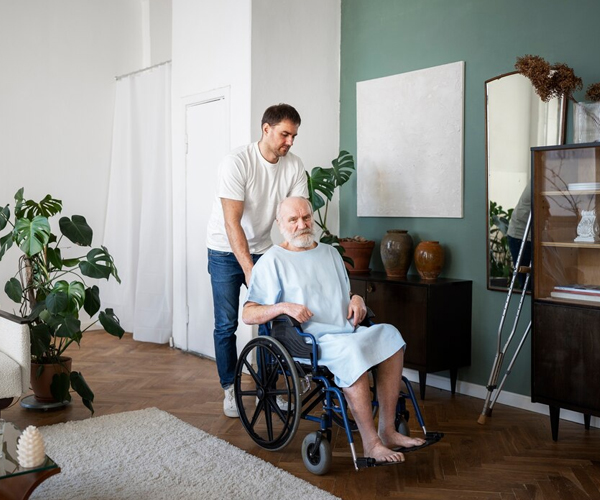
Once you meet basic NDIS eligibility, SIL has additional requirements. You must demonstrate significant support needs in your daily life. This means your disability must substantially limit your ability to perform everyday tasks like cooking, cleaning, and personal hygiene. Without consistent support, you wouldn’t be able to live safely and independently at home.
Participants of supported independent living in Werribee often include people with intellectual disabilities, mobility impairments, and other conditions requiring constant assistance. Some people need support throughout the day, while others need help primarily with certain tasks. The amount of support must be significant enough to justify 24/7 funding allocation.
The Assessment Process
Your NDIS planner will assess your support needs thoroughly during planning meetings. They discuss your current daily routines and challenges honestly. They evaluate whether SIL is truly the best option compared to other support types. Your goals and aspirations for independence guide these conversations.
Assessments for NDIS supported independent living in Werribee include detailed conversations about your daily support needs, current caregiving arrangements, living plans, and safety concerns. Your planner wants to understand exactly what help you need and when you need it. They also want to know about informal support you currently receive from family.
What Does SIL Include?
SIL funding covers various essential support types to help you live independently. Understanding exactly what’s included helps you make informed decisions about using your allocated funding effectively.
Personal Care Support
This includes showering, bathing, dressing, grooming, toilet assistance, and personal hygiene. Workers can help with wound care and basic first aid if needed. They also provide medication reminders and help manage your prescriptions carefully.
Supported independent living in Tarneit includes all these personal care services as part of standard SIL funding. Support workers are trained to assist respectfully and maintain your dignity.
Meal Preparation and Nutrition
Support with food preparation is a major SIL component that helps you maintain health. Workers assist with meal planning, recipe selection, and shopping list creation within your budget. They help with actual cooking, food safety, and proper storage of groceries.
NDIS supported independent living covers meal preparation extensively for participants. Remember: SIL pays for help cooking, not the groceries themselves.
Household Task Assistance
Your home stays clean, safe, and organised with regular SIL support. Workers help with cleaning, tidying, vacuuming, and general housework tasks. Laundry washing, drying, and ironing are fully covered under SIL funding. Kitchen maintenance, dishes, and organising living spaces keep your environment functional.
Medication and Health Management
Consistent support keeps you healthy and safe with medications. Support workers provide medication reminders at correct times daily. They help with prescription refill management and appointment scheduling. Health information tracking and communication with medical professionals is supported.
Community Access and Transport Support
SIL includes support getting to and from social activities, events, and gatherings. Transport assistance for therapy sessions, medical appointments, and work or education is covered.
Supported independent living in Cranbourne provides extensive community access support through funded transport assistance. Your worker helps you participate in recreational activities and hobbies.
Life Skills Training and Development
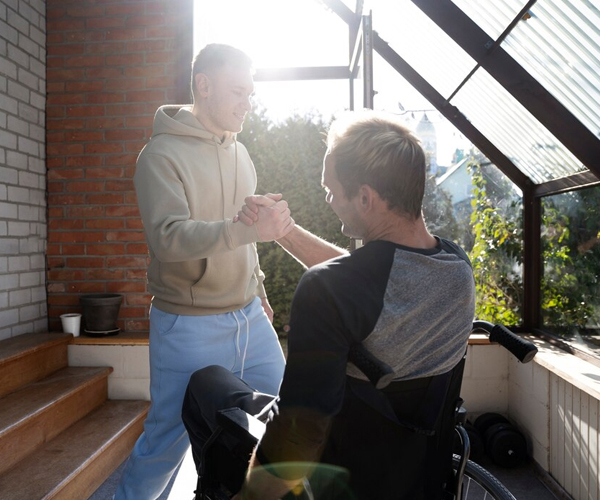
SIL isn’t just about getting tasks done – it’s about building your independence. Support workers teach daily living skills progressively at your own pace. You develop confidence in managing tasks independently over time. Money management, communication, and social skills training are all included.
Overnight Support Options
Supported independent living in Cranbourne offers two distinct overnight support types depending on your needs. Sleepover support provides up to 2 hours of assistance per night when you need help but don’t require constant overnight presence. Active overnight support provides more than 2 hours of coverage for people needing regular help during sleep hours.
What Does SIL Not Include?
Understanding what SIL doesn’t cover prevents confusion and helps you plan your finances carefully. Several important expenses fall outside SIL funding even though they relate to daily living.
Accommodation and Housing Costs
NDIS supported independent living in Cranbourne never pays for housing expenses under any circumstances. Rent or mortgage payments, property maintenance, rates and council fees remain your responsibility. Home insurance, utilities, internet, and phone bills are not covered.
Food and Groceries
SIL covers cooking help but not food purchases themselves. Your support worker helps you prepare meals, but groceries and food costs come from other sources. Meal components, ingredients, beverages, and snacks are all your responsibility. Special dietary foods and supplements must be budgeted separately.
General Living Expenses
Daily expenses beyond support aren’t covered by SIL funding. This includes clothing, shoes, entertainment subscriptions, and recreation costs. Social outings and entertainment expenses remain your personal responsibility. Phone subscriptions, internet beyond basic connection, and hobbies aren’t SIL-funded.
Mainstream Healthcare Services
SIL doesn’t replace standard medical care accessed through other systems. Doctor visits, hospital treatment, and prescription medication costs aren’t covered. Dental care, vision care, speech therapy, physiotherapy, and psychology services use different funding. These continue through standard health services, Medicare, or other NDIS support options.
Supported independent living in Dandenong keeps SIL and health services completely separate. Mental health counselling is funded through other NDIS support categories. Medical treatment and ongoing healthcare remain outside SIL scope.
Recreational Equipment and Hobbies
Hobby supplies and equipment aren’t SIL-funded. Sports equipment, musical instruments, gaming systems, and craft supplies come from personal resources. Recreation memberships, entertainment subscriptions, and hobby expenses remain your responsibility. SIL focuses on essential daily living support and assistance only.
How Does SIL Funding Work?
Understanding funding mechanics helps you use SIL effectively and make the most of your allocation. The process is more straightforward than many participants realise.
Understanding Your SIL Allocation
Your NDIS plan includes a specific amount allocated for SIL support. This amount is calculated based on your assessed support needs during planning meetings. Your support hours and frequency depend entirely on your individual assessment results. Higher support needs receive more funding within available NDIS resources.
Two Types of Support Pricing
The NDIS uses different hourly rates based on support intensity. Standard support rates apply to routine personal care assistance and general household help. This covers community access support for most participants. High-intensity support rates apply when you need workers with extra qualifications and specialised training. This covers complex disability support and behaviour management needs.
How Providers Claim SIL Funding
Registered providers follow specific claiming processes with the NDIS. From July 1, 2026, all providers use the new claim code 0138 for SIL services. This code specifically identifies “Assistance with Supported Independent Living” in the system. Invoices from providers include detailed support hours provided during billing periods.
Your plan manager processes payments to registered providers on your behalf. Plan managers can only pay registered providers from October 1, 2026 onwards. If your provider didn’t register, your plan manager stops accepting their invoices. You’d need to transition to a registered provider immediately.
Your Plan Manager’s Role
Plan managers administer all your SIL funding and payments. They receive invoices from your service provider and verify registration status before payment. They process payments according to NDIS schedules and policies. Plan managers answer funding questions and handle any concerns about invoices or payments.
Key Benefits of Supported Independent Living
SIL transforms lives for many NDIS participants seeking independence and dignity. The benefits extend far beyond just getting daily tasks completed.
Living Independently with Confidence
SIL enables genuine independence in your own chosen living arrangement. Support workers help you manage daily life while respecting your autonomy. You maintain personal choice and dignity in all support decisions. Your preferences guide exactly how support is delivered each day.
Building Skills and Capabilities
Consistent support helps you develop abilities you thought impossible. Support workers teach life skills progressively at your own pace without pressure. Confidence increases naturally as you successfully complete tasks independently. Many participants reduce support needs significantly over time through skill development.
Consistent, Reliable Support
Having regular support workers creates stability in your life. The same workers understand your preferences, routines, and specific needs. Trust develops between you and your support team through consistent interaction. Reliable support dramatically reduces stress and anxiety about daily living.
Greater Community Participation
Transport assistance opens social opportunities that transform quality of life. You attend social events, work, and education settings confidently. Visiting family and friends becomes easier and more frequent. Isolation decreases as community participation increases substantially.
Safety and Health Management
Consistent support keeps you physically healthy and safe at home. Medication mistakes are prevented through worker reminders and management. Health conditions are monitored closely and appointments never get missed. Emergency situations are handled promptly and appropriately.
Improved Quality of Life
Overall wellbeing improves significantly with proper support in place. Daily stress and worry decrease when you know consistent help is available. Family members gain peace of mind knowing you’re safe and supported. Mental health often improves along with increased independence and community connection.
Getting Started with Supported Independent Living
Ready to explore SIL? Here’s the practical process to follow.
Step 1: Check Your Eligibility
Start by understanding your situation and whether SIL might suit you. Talk to your Local Area Coordinator to discuss your current support needs honestly. Explain the daily challenges you face and why you need help. Ask specifically about SIL and whether an assessment is appropriate for you.
Step 2: Request an NDIS Plan Review
Existing NDIS participants need to request a plan review meeting. Contact your NDIS planner and explain you want to discuss SIL options. Request a face-to-face or phone meeting to discuss your needs thoroughly. Ask what documentation or evidence would strengthen your SIL application.
Step 3: Gather Supporting Evidence
Strong evidence significantly improves your chances of SIL approval. Medical reports from your doctor describing your disability help. Letters from current carers explaining your daily support needs strengthen your case. Information about challenges managing daily tasks and current informal support matters.
Step 4: Meet with Your NDIS Planner
The planning conversation is absolutely crucial to your application success. Discuss your daily support requirements clearly and honestly. Explain your independence goals and what you want to achieve. Talk about current living arrangements and specific challenges managing daily tasks.
Step 5: Find a Registered SIL Provider
Once approved for SIL funding, you need to find your service provider. Ask your plan manager for a list of registered providers operating in your area. Research each provider’s registration status and experience. Interview potential providers and discuss their approach to support.
Step 6: Start Your SIL Services
Beginning support is an exciting step toward greater independence. Meet your support team before services officially start. Discuss your preferences, daily routines, and how you like things done. Build initial trust and establish clear communication and expectations together.
Recent Changes to SIL in 2026
Understanding what changed recently helps you navigate the new landscape smoothly.
Provider Registration Is Now Mandatory
From July 1, 2026, major changes took effect for all SIL service delivery. All SIL providers must register with the NDIS Commission to legally operate. Registration happened between July and October 2026 for existing providers. Providers who didn’t apply by October 1 cannot legally provide SIL services.
Breaking this registration requirement carries serious legal penalties for providers. Your support continues seamlessly with registered providers. The registration process protects participants from unsafe or unaccountable providers.
New Claim Code 0138 Replaced Old Code
Billing systems and tracking changed completely from July 1, 2026. The old code 0115 is no longer used for any SIL services. The new code 0138 identifies SIL specifically in all NDIS systems. All provider invoices now use code 0138 for billing purposes.
This code change doesn’t affect your funding amount or allocated hours. It’s purely a system change to improve tracking and compliance. Your plan remains exactly the same during this transition.
Your Plan Remains Unchanged
Good news for all participants: your NDIS plan funding stays exactly the same. Your allocated support hours don’t change at all. Your costs don’t increase due to registration requirements. The transition is completely seamless for you as a participant.
If Your Provider Didn’t Register
Contact your plan manager immediately if your provider didn’t register by the deadline. NDIS helps participants find alternative registered providers. Your funding transfers to your new provider without any gap. You may need to choose a different provider, but support continues.
Conclusion
Supported Independent Living opens doors to genuine independence and control. With proper support, you can live your life on your own terms. Understanding SIL helps you make informed choices about your future. The 2026 changes improve safety and accountability while maintaining your support.
Ready to explore how SIL can help you achieve your independence goals? Pacific Home Care Solutions understands NDIS support thoroughly and stays current with all changes. They specialise in helping participants navigate SIL options effectively. Their team provides expert guidance tailored to your specific situation.
Connect with Pacific Home Care Solutions Today
Don’t navigate this journey alone. Get professional guidance from experienced NDIS specialists. We’ll help you understand your options and take next steps confidently.
Contact us:
- Phone: (03) 6160 0060
- Email: info@pacifichomecare.com.au
- Website: https://pacifichomecare.com.au/
Take action now. Call today to discuss how SIL can support your independence journey.
Frequently Asked Questions
1. What is the main difference between SIL and personal care support?
SIL provides 24/7 support worker funding for comprehensive daily living assistance. Personal care support covers only specific personal hygiene tasks on a scheduled basis, usually daytime only.
2. Can family members work as my SIL support workers?
A: Generally, family members cannot be primary registered SIL providers through registered agencies. However, you can employ family directly if you’re managing your own support workers independently.
3. Q: How is my SIL funding amount calculated and determined?
A: Your NDIS planner assesses your functional support needs during planning meetings. Higher support needs receive more funding within available NDIS resources and budget limits.
4. What happens to my SIL funding if I move to a different house?
Your SIL funding transfers with you completely when moving house. Simply inform your plan manager and support provider about your address change immediately for continuity.
5. Are there waiting lists for accessing registered SIL providers?
Some providers may have waiting lists during peak periods in certain areas. Contact multiple registered providers to find availability matching your timeline.
6. Can I receive SIL support while living with my parents or family?
Yes, SIL can be approved if you live with family members in shared housing. Your support needs are assessed regardless of your living situation.
7. What happens if my regular support worker becomes sick?
Registered providers must provide backup support staff for continuity. Your care is protected through provider staffing protocols and contingency planning procedures.
8. Does SIL cover weekend and public holiday support services?
Yes, SIL provides 24/7 support including weekends and public holidays. Your allocated hours continue throughout all days and holiday periods.
9. How do I appeal if NDIS rejects my SIL eligibility application?
Contact your Local Area Coordinator to understand rejection reasons first. Request a formal review and provide additional evidence supporting your case.
10. Can I use SIL hours exclusively for overnight support instead of daytime?
Yes, some participants use SIL exclusively for overnight coverage arrangements. Support arrangements are fully individualised based on your specific needs and goals.